

Key Takeaways
- Consumers are shifting towards gentler skincare, favouring naturally derived ingredients over harsh formulations.
- Transparency and ingredient awareness are shaping buying decisions across Singapore.
- Organic options are no longer niche, with wider availability in both retail and online spaces.
- The appeal goes beyond skincare, reflecting a broader lifestyle move towards mindful consumption.
| Table of Contents |
|---|
Introduction
Walk through any beauty aisle in Singapore today, and something feels different. The packaging still gleams, the promises still sound familiar, yet the language has softened. Words like “natural”, “plant-based”, and “non-toxic” have quietly taken centre stage. The growing interest in organic beauty products in Singapore isn’t just a passing trend; it reflects a deeper rethink about what goes onto the skin and, by extension, into daily life.
Why Clean Is Starting To Matter
There was a time when long ingredient lists felt reassuring. More science, more results, right? That belief hasn’t vanished, but it’s now sharing space with a quieter question: what exactly are those ingredients doing?
Many consumers are paying closer attention, especially those juggling humid weather, sensitive skin, and busy routines. A moisturiser that hydrates without clogging pores or a cleanser that doesn’t strip the skin feels less like a luxury and more like a necessity. Organic beauty products in Singapore have found their footing here, offering formulas that promise simplicity without sacrificing effectiveness.
ALSO READ: Why Organic and Vegan Makeup Is Rising in Singapore’s Beauty Scene
Reading Labels Without A Chemistry Degree
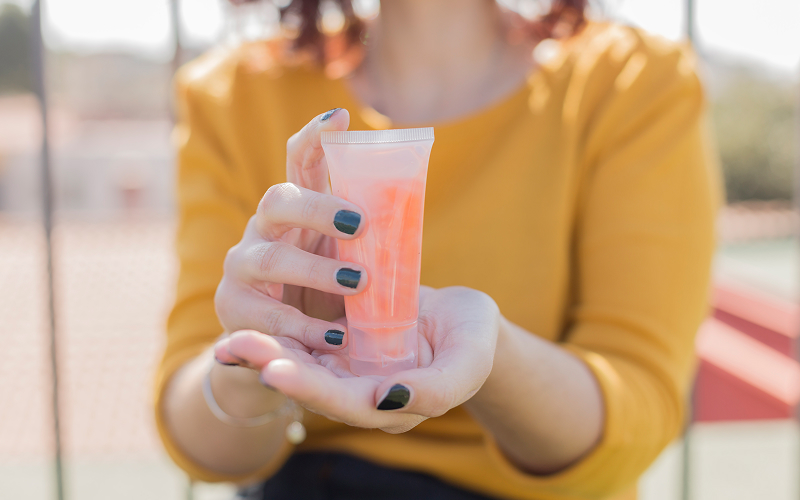
Ingredient lists can still look intimidating. Even with the shift towards transparency, terms like “sodium hyaluronate” or “tocopherol” don’t exactly roll off the tongue. Yet shoppers are learning to decode them, often through quick searches or recommendations shared on platforms like TikTok or Lemon8.
Interestingly, the rise of organic beauty products in Singapore has encouraged brands to communicate more clearly. Labels now highlight familiar sources, such as aloe vera, green tea, or chamomile. It’s a subtle shift, but it makes products feel approachable rather than clinical.
From Niche Shelves To Mainstream Aisles
Not long ago, organic skincare lived in small boutique stores or specialised sections tucked away in shopping centres. Now, it’s hard to miss. Major retailers, online platforms, and even neighbourhood pharmacies are stocking these ranges.
Part of that shift stems from demand, but there’s also a lifestyle factor at play. Sustainability, ethical sourcing, and cruelty-free practices have become part of the conversation. Choosing organic beauty products in Singapore often overlaps with choosing refillable packaging or supporting brands with transparent sourcing. It’s skincare, yes, but it’s also a statement about values.
Is Organic Always Better? A Closer Look
Here’s where things get slightly complicated. “Organic” doesn’t automatically mean perfect for everyone. Natural ingredients can still trigger reactions, and some synthetic components remain essential for stability or preservation.
That said, the appeal isn’t about perfection. It’s about balance. Many consumers in Singapore see organic beauty products as a way to reduce unnecessary exposure to harsher chemicals while still enjoying effective skincare.
Frequently Asked Questions (FAQs)
Are organic beauty products suitable for all skin types?
They can work well for many, especially those with sensitive skin, but it’s still important to patch test. Natural ingredients can cause reactions as well.
Do organic products expire faster?
Some may have shorter shelf lives due to fewer preservatives, so checking expiry dates and storage instructions matters.
Are organic products more expensive?
Prices vary, but ethically sourced ingredients and smaller production batches can make them slightly pricier.
Can organic skincare deliver visible results?
Yes, though results may feel more gradual. Consistency tends to matter more than instant effects.
Conclusion
The shift towards organic beauty isn’t loud or dramatic. It’s gradual, shaped by curiosity, awareness, and a desire for products that feel kinder on the skin. As more options become available, the movement continues to grow, quietly reshaping beauty routines across the island.
For more insights and updates on evolving beauty trends, visit TrendSetters and stay in the loop.