

Key Takeaways
- Frizz often comes from humidity, heat damage, and weakened hair structure
- The right treatment smooths strands by restoring moisture and sealing the cuticle
- Salon and at-home options both play a role in managing frizz long-term
- Consistency matters more than quick fixes when building smoother, healthier hair
| Table of Contents |
|---|
Introduction
Step outside on a humid afternoon, and it becomes obvious. Hair that behaved perfectly in the morning suddenly feels unruly, almost as if it has a mind of its own. Frizz isn’t just a cosmetic nuisance; it reflects how hair reacts to moisture in the air and the condition of each strand.
That’s why finding the right treatment for frizzy hair in Singapore is about changing how hair behaves over time, so it stays manageable even when the weather refuses to cooperate.
Why Frizz Happens in Singapore’s Climate
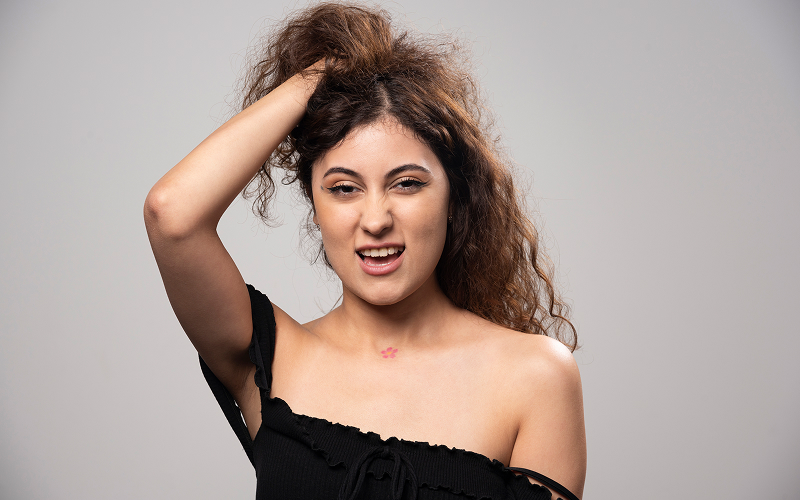
Humidity plays the starring role, but it doesn’t act alone. Hair that lacks moisture tends to absorb water from the air unevenly, causing strands to swell and lift. The result is that familiar halo of frizz.
Heat styling, colouring, and even frequent washing can weaken the cuticle layer. Once that protective layer lifts, moisture slips in easily. Think of it like a slightly open umbrella during a downpour; technically, it works, but not quite well enough.
This is where a targeted treatment for frizzy hair in Singapore becomes relevant. It addresses both the external environment and the internal health of the hair.
Treatments That Actually Make a Difference
Not every smoothing product delivers the same result. Some offer temporary shine, while others reshape how hair retains moisture.
A keratin treatment for frizzy hair in Singapore remains a popular choice in local salons. They coat the hair shaft, filling in gaps along the cuticle. The finish feels smoother, yes, but more importantly, it resists humidity better.
For those who prefer something less intensive, bond-building treatments have quietly gained attention. Some treatments focus on repairing the hair’s internal structure rather than just masking damage. The difference shows over time; hair feels stronger, not just softer.
Deep conditioning masks also deserve more credit than they usually get. A well-formulated hair treatment can rebalance hydration levels, making strands less reactive to the environment.
ALSO READ: How to Manage Dry and Frizzy Hair in Singapore All-Year Round
Salon vs At-Home: What Works Better?
There’s often a debate around this, and the honest answer sits somewhere in between. Salon treatments deliver immediate, visible changes. They’re structured and often longer-lasting. However, without proper maintenance, the effects fade more quickly than expected.
At-home care builds consistency. Leave-in conditioners and weekly masks support the results of professional treatments. It’s a bit like going to the gym once versus sticking to a routine. The latter shapes the outcome.
Combining both approaches usually leads to the best results. A salon-grade treatment for frizzy hair sets the foundation, while daily care keeps everything in place.
Small Habits That Change Everything

Sometimes, it’s the overlooked habits that make the biggest difference. Switching to a microfibre towel reduces friction during drying. Sleeping on a silk pillowcase prevents unnecessary roughness overnight. Even adjusting water temperature during washes helps keep the cuticle sealed.
Then there’s product layering. Applying a lightweight leave-in before a serum may seem excessive at first, but it creates a barrier that locks in moisture. It’s subtle, but effective.
And yes, avoiding over-washing matters more than expected. Hair needs its natural oils, especially in a climate that constantly challenges its balance.
Frequently Asked Questions (FAQs)
How long do frizz treatments usually last?
Salon treatments like keratin can last three to six months, depending on maintenance and hair type.
Can frizz be eliminated?
Not entirely, especially in humid conditions. However, it can be significantly reduced with the right care routine.
Are natural treatments effective?
Natural oils and masks can help with moisture, but they often work best alongside targeted formulations.
Is daily styling necessary after treatment?
Not usually. A good treatment reduces the need for constant styling, though light touch-ups may still be needed.
Conclusion
Frizz rarely disappears overnight, and that’s not necessarily a bad thing. It encourages a more thoughtful approach to hair care, one that focuses on long-term health rather than quick fixes. With the right combination of treatments, habits, and products, smoother, more manageable hair becomes less of a struggle and more of a routine outcome.
For more practical tips and insights like these, visit TrendSetters and stay updated with the latest content.