

Key Takeaways
- Ingredients like hyaluronic acid and glycerin help the skin hold on to moisture for longer periods.
- Natural soothing agents, such as aloe vera, support hydration while calming irritation.
- Ceramides reinforce the skin barrier, reducing water loss in humid yet dehydrating climates like Singapore.
- Occlusive elements like shea butter lock everything in, keeping skin soft and comfortable throughout the day.
| Table of Contents |
|---|
Introduction
Walk through any beauty aisle in Singapore, and the shelves feel endless. Sheet masks, cream masks, and overnight masks all promise hydration in bold lettering. Yet, the real difference rarely sits on the packaging. It hides in the ingredient list, quietly doing the work most people never notice.
Choosing a moisturising face mask is often about understanding what actually helps the skin retain water. With air-conditioning running almost non-stop and humidity playing tricks on the skin, hydration is not as straightforward as it seems.
Why Ingredients Matter More Than Packaging
It is tempting to be drawn in by claims like “instant glow” or “deep hydration”. Still, those promises only hold weight when backed by ingredients that support moisture at a cellular level. Skin, after all, behaves a bit like a sponge. Without the right components, water simply evaporates before it can make a difference.
A well-formulated moisturising face mask works on three levels: attracting water, soothing the skin, and locking hydration in place. Each step depends on a specific type of ingredient.
1. Hyaluronic Acid: The Hydration Magnet
If hydration had a star player, hyaluronic acid would probably take the spotlight. It binds water to the skin, holding up to a thousand times its weight in moisture. That sounds dramatic, but in practice, it simply means the skin feels plumper and less tight.
In Singapore’s climate, where sweat and dehydration can coexist, this ingredient helps balance things out. A moisturising face mask with hyaluronic acid draws moisture into the skin rather than letting it sit on the surface.
2. Aloe Vera: Cooling Comfort for Stressed Skin
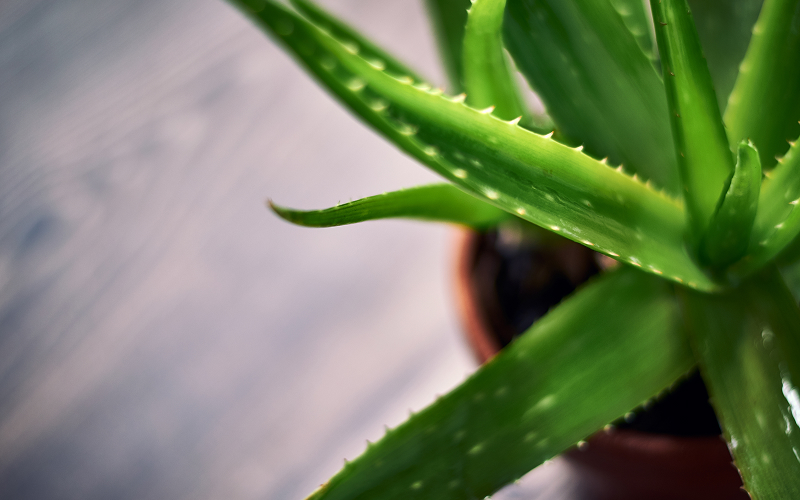
There is something almost nostalgic about aloe vera. It brings to mind sunburn remedies and after-beach care, but its role goes beyond that. Aloe helps calm irritation while delivering a gentle layer of hydration.
Skin that feels overheated or slightly inflamed, especially after long days outdoors, benefits from this ingredient. A moisturising face mask that includes aloe does not just hydrate; it settles the skin, making it more receptive to other ingredients.
ALSO READ: Good Face Masks as Skincare Essentials for Radiant and Healthy Skin
3. Ceramides: The Quiet Repair System
Ceramides rarely get the same attention as trendier ingredients, yet they play a crucial role. They form part of the skin’s natural barrier, helping to prevent moisture from escaping.
Without enough ceramides, even the most hydrating mask struggles to keep results lasting. Think of them as the seal between tiles in a bathroom; without them, water slips through the gaps. Including ceramides in a moisturising face mask ensures hydration does not disappear within hours.
4. Shea Butter: Sealing the Deal
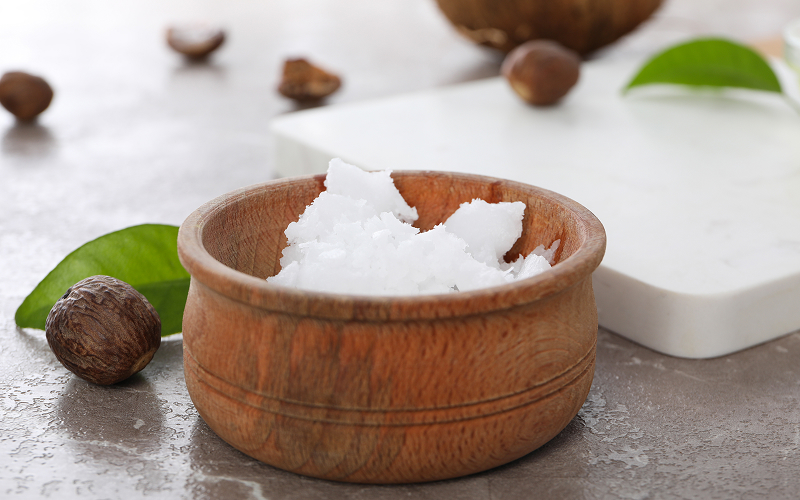
Once moisture is in the skin, it needs to stay there. That is where occlusive ingredients like shea butter come in. Rich but not overly heavy when used correctly, shea butter creates a protective layer that slows water loss.
Some may worry about it feeling greasy in humid weather, yet modern formulations balance texture carefully. When part of a moisturising face mask, it leaves the skin soft rather than sticky, which makes all the difference during a long day out.
Frequently Asked Questions (FAQs)
How often should a moisturising face mask be used?
Two to three times a week usually works well, though dry skin types may benefit from more frequent use.
Can oily skin use hydrating masks?
Yes, oily skin still needs hydration. Lightweight formulas with ingredients like hyaluronic acid are especially suitable.
Is it better to use a mask at night or during the day?
Evening use tends to be more effective as the skin repairs itself overnight, allowing ingredients to work more deeply.
Do sheet masks and cream masks offer the same benefits?
They can, provided they contain similar ingredients. The difference lies more in texture and personal preference than in effectiveness.
Conclusion
Skincare trends shift quickly, but the basics remain steady. Hydration depends less on marketing claims and more on what goes into the formula. Ingredients like hyaluronic acid, aloe vera, ceramides, and shea butter work together in ways that feel subtle at first, then surprisingly noticeable over time.
For anyone browsing through options, understanding these components makes choosing a moisturising face mask far less confusing and far more effective.
Visit TrendSetters to explore more insights and stay updated with the latest skincare content.