

Key Takeaways
- Lightweight layering keeps concealer from slipping or clumping on oily skin
- Setting powder works best when applied sparingly and precisely
- Skin prep plays a bigger role than most expect in preventing creasing
- Blotting and touch-ups matter just as much as the initial application
| Table of Contents |
|---|
Introduction
Humidity in Singapore has a way of testing even the most carefully applied makeup. What begins as a smooth, bright under-eye can slowly settle into fine lines by midday, especially when dealing with excess oil. Finding the right concealer for oily skin helps, but the real difference often comes from how it is set.
There is a balance to strike: too little product and coverage fades; too much, and everything gathers where it should not. The trick lies somewhere in between, supported by technique rather than just product choice.
Start Before the Makeup Even Begins
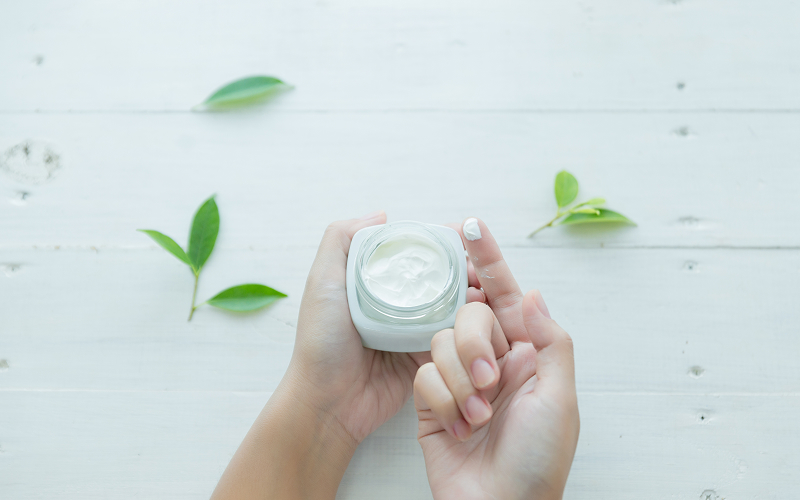
It may sound surprising, yet the way skin is prepared often determines how well concealer holds up later. Hydration remains important, even for oily skin. When the under-eye area feels dry, it encourages creasing regardless of oil levels.
A lightweight gel moisturiser or an eye cream that sinks in quickly creates a smooth base. Follow that with a thin layer of primer, especially one designed to control shine. This step gives concealer for oily skin something to grip onto, much like how a good base coat helps nail polish last longer.
Less Product, Better Payoff
There is a common instinct to apply more concealer for better coverage, but that often backfires. A thin layer blended well tends to look fresher and stays put longer.
Instead of sweeping product across the entire under-eye, placing small dots where darkness appears and blending outward keeps things controlled. The result feels lighter, and it reduces the chance of product settling into lines.
A well-formulated concealer for oily skin usually has a slightly matte finish already, so piling on extra layers only adds weight without improving wear.
ALSO READ: Why Makeup Shopping in Singapore for Sensitive Skin and Humid Days Matters
Powder Placement Matters More Than Quantity
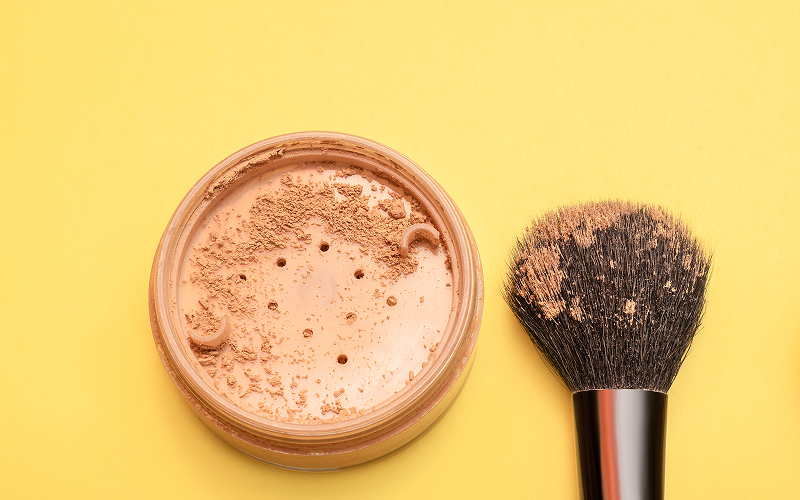
Setting powder can be helpful, though heavy application tends to cause the very caking most want to avoid. A small, fluffy brush or even a puff pressed lightly into the skin works far better than dusting powder everywhere.
Focus on the areas where creasing starts, often the inner corner or just beneath the lash line. Pressing the powder in, rather than sweeping it across, helps it lock into place without disturbing the base.
This approach keeps concealer for oily skin smooth while allowing the rest of the face to retain a natural finish. It is a subtle shift, though it changes how the makeup wears throughout the day.
When Touch-Ups Save the Day
Even with the best techniques, Singapore’s weather can still challenge any makeup routine. That is where simple touch-ups come in.
Blotting papers can remove excess oil without disturbing the concealer. If lines begin to form, gently tapping the area with a clean finger can soften them before adding a tiny amount of powder again.
Think of it as maintenance rather than correction. A little attention at the right time keeps everything looking intentional rather than overworked.
Frequently Asked Questions (FAQs)
Can baking help with oily under-eyes?
Baking may control oil initially, but it often leads to dryness and visible creasing later in the day. A lighter hand tends to give better results.
Should matte concealers always be used?
Matte formulas work well, though overly dry ones can emphasise texture. A natural matte finish usually offers a better balance.
Is setting spray necessary for the under-eyes?
Setting spray can help overall longevity, but it should not replace proper powder placement under the eyes.
How often should touch-ups be done?
It depends on oil levels, though once or twice during the day is often enough to keep things fresh.
Conclusion
Achieving a smooth under-eye look with oily skin rarely comes down to a single product. It is a combination of preparation, restraint, and small adjustments throughout the day. When each step supports the next, concealer stays where it should, looking natural rather than heavy.For more practical beauty tips and updated guides, check out TrendSetters and keep up with the latest content.