

When your reliable routine stops delivering results, the decision to look for a facial spa usually begins with small disappointments rather than a single crisis. You tweak cleansers, adjust serums, and add occasional masks, yet your reflection still looks tired at the end of the day. Dullness lingers around the cheeks, tiny bumps appear along the jawline, and redness takes longer to settle. Over time, it becomes clear that the steps that once worked no longer match the way you live or the pressures your skin faces now.
How It Looks On Paper Vs Real Life
| On your skincare shelf | In your everyday life |
| A trusted routine you have followed for years | Longer days, less sleep, more stress |
| Carefully chosen products for your skin type | More screen time, harsher air conditioning and commutes |
| A sequence you can perform from memory | Energy that runs low before you even reach the last step |
Life moves faster than most routines. New projects stretch late into the night, notifications keep your brain switched on, and screen time replaces quiet evenings. Even when you stick to the same bottles on the bathroom shelf, the context around them has shifted. The gap between what your skin needs and what your routine offers grows wider each month. In that space, the idea of visiting a facial spa starts to feel less like an indulgence and more like a practical way to reset and to ask for help.
Before booking, many people move through a familiar loop in their heads:
- My skin does not look as rested as it used to, but maybe I just need another product.
- Other people seem to make routines work, so I should be able to fix this myself.
- What if my concerns are too minor to take to a professional at all.
The question still returns when they catch their reflection under office lights or during a video call. If the products are not keeping up, what would it mean to let a professional read the story that stress, age, and environment have written on their face. At that point, a facial spa becomes a potential turning point rather than a passing trend.
If this feels familiar, you are not alone. Plenty of people follow careful routines and still feel stuck. The move toward a facial spa is rarely about a single breakout or patch of dryness. It usually reflects a deeper realisation that skin lives inside a changing life, not inside a fixed checklist. Understanding why routines plateau in real conditions, not in perfectly edited adverts, is the first step toward deciding what kind of support you need next.
Why Skin Routines Plateau In Real Life, Not In Product Ads

Skincare rarely stops working overnight. Most of the time, results fade gradually. Fine lines settle in where skin once bounced back, dark spots take longer to fade, and breakouts need more than a day to calm. Age naturally slows the way skin renews itself. Hormonal shifts can throw oil production off balance in specific areas. Environmental stress, from pollution to recycled air, adds another layer of difficulty. When all these factors combine, even a tried and tested routine can begin to feel underpowered.
Daily habits play a quiet yet powerful role in this process. Some of the most disruptive patterns include:
- Rushed cleansing after a long day, leaving traces of makeup, sweat, and sunscreen that sit on the skin overnight.
- Skipping sunscreen on cloudy days or during short errands, even though ultraviolet rays still reach and stress the skin.
- Long hours at a desk, where you touch your face while thinking, rub your eyes during meetings, or lean your chin on your hand.
These small habits introduce friction, dirt, and bacteria that slowly undermine the efforts of good products. Taken together, they help explain why skin may look tired or reactive even when the routine on paper appears sound.
There is also a pattern many people recognise as routine fatigue. Each time a new concern appears, the first response is to add something new to the lineup. An exfoliating toner joins a brightening serum, which sits beside a richer moisturiser and a spot treatment. Over time, the number of steps grows, but clarity does not. When irritation or breakouts appear, it becomes hard to tell which product tipped the balance. Confusion replaces confidence, and the bathroom shelf becomes crowded with half-finished bottles.
At this stage, the idea of bringing your skin to a neutral starting point with help from a facial spa is understandably appealing. Instead of guessing what to add next, you can pause and let a trained eye examine how your skin actually behaves. A good therapist will ask about your schedule, work environment, climate, and stress levels alongside your products. That wider view helps separate what your skin needs from what marketing trends encourage you to buy.
The Invisible Pressure Of Urban Living On The Skin

All of this unfolds against the backdrop of city life that quietly strains the skin each day. Long commutes expose your face to exhaust, dust, and changing temperatures. Offices and public transport rely on strong air conditioning that dries the air and pulls moisture from the skin, leaving it tight or flaky by evening. Those shifts are easy to ignore at the moment, yet the impact builds up across weeks and months, especially when you rarely get long breaks outdoors.
Tech-heavy work adds another layer. Hours spent in front of a computer, followed by time on a phone or tablet, keep you indoors and under artificial light. While research on blue light is still developing, many people notice their eyes feel strained, and the skin around them looks worn after screen-heavy weeks. Constant exposure to front-facing cameras during calls also changes the way you notice your face, highlighting minor shadows, texture, and movement that a regular mirror might not emphasise.
Workload and stress weave through all of this. Deadlines, performance reviews, and family responsibilities trigger physical responses that affect circulation and oil production. Breakouts around the mouth or chin can appear after particularly intense periods. Redness may flare on the cheeks or around the nose during busy months. Sleep is often the first thing sacrificed, which removes an important window for repair. Even the most diligent at-home steps can struggle against a background of chronic stress.
Climate conditions make everyday care more complicated. Heat and humidity encourage sweat and oil, which can tempt you to cleanse more frequently or use harsher products. In the short term, skin might feel fresher. Over time, however, that approach can strip away protective oils and weaken the barrier that keeps irritants out. The result is skin that feels greasy and parched at the same time. For many, this frustrating mix becomes the final push to seek structured guidance and a deeper reset, rather than another quick product swap.
Seen together, these pressures explain why many people eventually look beyond the bathroom shelf. A chosen facial spa becomes more than a place for a quick cleanse. For many, booking a facial spa visit is a way to pause the pace of daily life and to listen to what skin has been trying to say. Returning to the same facial spa over time can provide continuity, as a therapist tracks how your skin responds to changes in work, stress, and weather and helps you quietly adjust habits with clarity.
ALSO READ: How Humidity Is Changing Korean Skincare in Singapore
When Self-Care Starts To Feel Like Another Task

There is a stage where skincare stops feeling soothing and starts to feel like homework. You still stand at the sink each night, but your mind is somewhere else, counting emails, messages, and unfinished tasks. The bottles on the counter no longer feel like tools of care. They feel like obligations you must get through before you can finally rest. By the time you reach for moisturiser, energy is low, and patience is thin.
The emotional cycle around this can be surprisingly intense. Many people move through a repeating pattern:
- Scroll through social media or blogs and see glowing reviews of new routines.
- Buy one or two new products that promise to fix texture, dullness, or fine lines.
- Use them for a few weeks while watching the mirror every morning for signs of change.
- Feel guilty or frustrated when the difference is subtle or when irritation appears instead.
This cycle does not just drain your wallet. It quietly chips away at your confidence in your ability to care for your skin. Each attempt that does not work as hoped deepens the sense that you are missing some crucial step that everyone else understands.
On top of this sits the mental load of constant decision-making. You have to read ingredient lists, look out for possible triggers, and keep track of which acids should not mix. You think about what to layer first, how long to wait between steps, how many times a week to exfoliate, and when to introduce retinoids. None of these decisions is dramatic on its own. Together, they form a steady stream of tiny choices that crowd a tired mind at the end of a long day.
This is often where the idea of a facial spa begins to feel deeply appealing. For at least one session, you can hand over all those decisions to someone who spends their days thinking about skin. You explain what you notice and how you feel. They choose products, techniques, and pacing while you lie back. Even if you return to an at-home routine afterwards, that relief from decision-making can reset your relationship with the mirror and with the steps you choose to keep.
Why A Facial Spa Represents A Reset, Not Just A Treatment
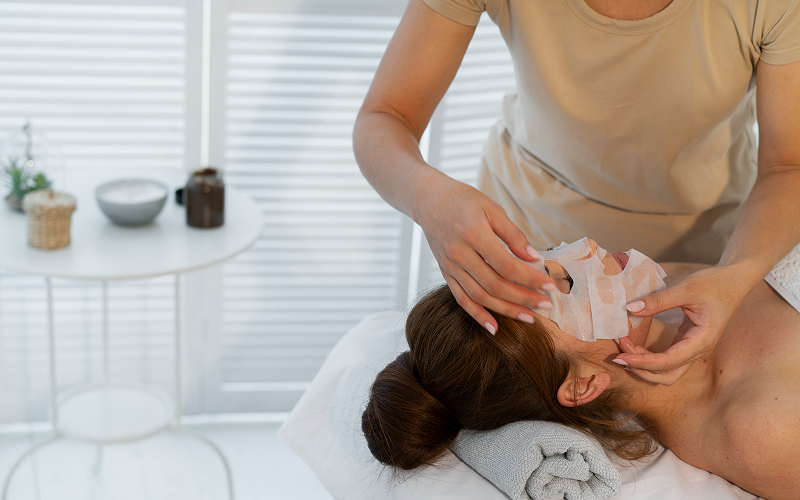
When someone finally books an appointment, they rarely see it as a simple purchase. They treat it as a reset point, a chance to put the noise of daily life on pause and to ask for careful attention. One of the most underestimated effects of a facial spa lies in the way it makes you feel held. A therapist looks closely at your skin, listens without rushing, and responds to your concerns with specific observations. That focused presence is very different from standing alone under bright bathroom lights.
The environment itself supports this reset. Many people describe the sensory contrast they notice as soon as they enter:
- Lighting that softens edges instead of highlighting every line.
- Quiet music that gently replaces the mental replay of conversations and deadlines.
- Slow, intentional movements that invite the body to loosen its grip.
- The warmth and rhythm of touch that signals safety and care.
These elements work together to break the pace of daily life. As your breathing slows, your nervous system shifts into a calmer state. In that state, your skin can respond differently to cleansing, massage, and treatment because your entire body is no longer braced for the next task.
People often frame such visits as a reset because they leave with more than a clearer complexion. They walk out with irritation soothed, congestion reduced, and moisture restored. At the same time, they feel lighter, as if someone has helped them carry the invisible weight of stress for an hour. That blend of physical result and emotional relief is difficult to replicate at home. Over time, this association between a facial spa and a full-spectrum reset makes it an anchor point people return to when life feels crowded.
ALSO READ: This Is How Often You Should Get a Facial
How People Choose A Facial Spa To Match Their Lifestyle, Not Just Their Skin Type

Once someone decides to seek support, the question shifts from “Should I go?” to “Where should I go?” At this stage, the decision turns on more than discounts or social media popularity. People look for a facial spa that fits around the way they live, not around an ideal version of themselves with endless free time and energy.
Factors that matter tend to fall into three broad groups:
- People factors such as the consistency of therapists, the way they explain each step, and whether they listen more than they sell. Clients want to feel recognised when they return, not processed.
- Practical factors such as location, travel time, schedule options, and clear pricing. A facial spa that sits near home or work and offers reasonable session lengths is easier to visit regularly.
- Emotional factors such as how welcoming the reception feels, whether privacy is respected, and whether the environment supports relaxation rather than intimidation.
Alongside these, aftercare advice matters. People who lead busy lives do not need a long list of new rules. They need simple, grounded guidance they can follow even during hectic weeks. The most helpful therapists focus on a few key changes, explain the reasoning, and check that the plan matches the client’s reality. This attention signals respect for their time, energy, and responsibilities outside the spa.
In many cases, clients learn to see their chosen facial spa as a partner. They come in with updates about travel, new jobs, or health changes and receive adjustments to their skincare approach that match these shifts. Over time, trust deepens. The client feels supported rather than pressured, guided rather than judged. This partnership helps them keep their daily routine lean and sustainable because they know they can return for a deeper reset when life, climate, or stress reshapes their skin again.
Blending Home Care With Occasional Professional Support
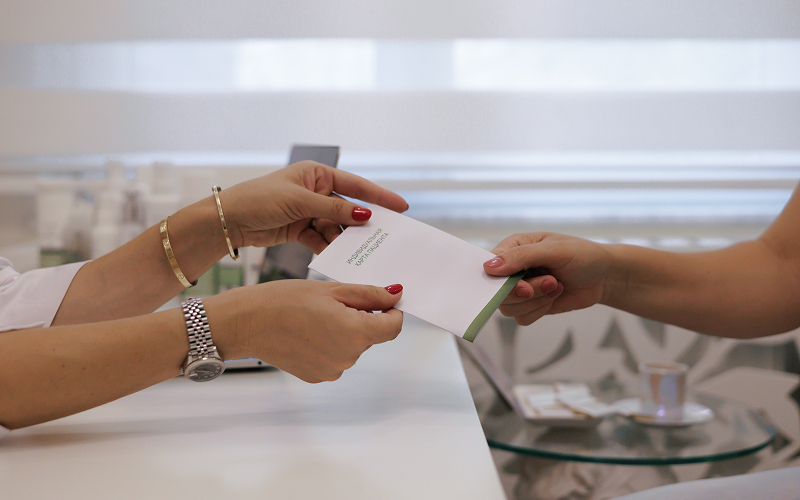
Once you step back from the noise of trends, it becomes clear that you do not need to choose sides. You do not have to abandon your bathroom shelf to embrace a facial spa, and you do not need to refuse help in order to stay independent. The most sustainable approach is a blend, where daily rituals keep your skin steady and well-chosen professional sessions act as checkpoints that pull everything back into alignment when life changes.
A useful way to think about it is to give each form of care a distinct job that plays to its strengths rather than trying to make one solution do everything.
Home Care vs Facial Spa: What Each Does Best
| Home care | Facial spa |
| Daily cleansing that removes makeup, sunscreen, and the day’s buildup | Deep cleansing when congestion does not shift with home care |
| Protecting your barrier with moisturiser and regular sunscreen | Deep cleansing when congestion does not shift with home care |
| Gentle, routine support that fits around work and rest | Resetting your baseline after big changes in life, stress, or climate |
Seen this way, your routine and your chosen facial spa sit on the same side. One holds the line every day. The other steps are when you need a more focused course correction. Instead of asking which is better, you can ask what you need right now and which tool is most suited to that need.
A good therapist sits at the centre of this partnership. Many people arrive at a first appointment with an overloaded routine that tries to fix every concern at once. During a calm consultation, the therapist can map out what you already use, identify overlaps, and suggest which products to keep, pause, or retire. This process feels more like an edit than a criticism. You leave with a smaller set of steps that you actually understand, instead of a long checklist you know you will not follow on a tired weeknight.
This simplification also sets expectations at a more realistic level. Instead of promising overnight change, a thoughtful therapist will explain what you can expect over weeks or months and which signs show that your skin is moving in the right direction. That clarity protects you from the impulse to keep swapping products whenever you do not see instant results. You gain patience because you understand the process, not because someone simply told you to wait.
FAQ: Making Spa Visits Work With Real Life
How often should I go?
There is no single schedule that suits everyone. Many people find that seasonal visits or milestone sessions after major life shifts are easier to maintain than constant appointments.
What if I cannot visit regularly?
In that case, treat each appointment as a strategic check-in. Use the time to edit your routine, ask specific questions, and leave with a plan you can realistically maintain at home.
Will I be told to change everything?
A good therapist will work with what you already have, adjust where necessary, and explain why changes are suggested so you can decide what feels practical.
It can help to treat each visit as a review rather than a crisis fix. Just as you look over your calendar or finances at certain points in the year, you can review your skin in the light of recent events.
Skin Check In: Ask Yourself
- Has my work pattern changed in a way that affects my sleep or stress levels?
- Have I moved, started commuting further, or spent more time in a different climate?
- Have I introduced new medication, exercise habits, or dietary shifts?
- Do I feel more sensitive, oilier, or drier than this time last season?
Bringing these observations to a facial appointment allows the therapist to connect your skin story to your wider life. Adjustments can then focus on what truly changed, rather than reacting only to what you see in the mirror that morning.
This is where seasonal or milestone visits become especially powerful. Instead of booking constant appointments, you can align sessions with key points in the year or with personal transitions. Some people like to schedule a visit at the start of a hot season, after a period of intense work, or following a major life event such as a move or a new role. Others mark personal milestones, such as birthdays or anniversaries, as moments to reset how they care for their face.
These anchor points do two things at once. They give your skin concentrated care at times when it is under particular strain. They also give you quiet permission to pause and consider how your routine should evolve to match the person you are becoming. In this structure, facial spa visits are woven into your life as planned support, rather than last-minute emergencies when everything already feels out of control.
Over months and years, this blended approach creates a feeling of steady partnership. Your bathroom shelf stops being a crowded reminder of past attempts and becomes a small, coherent set of tools you know how to use. Your chosen facial spa becomes a trusted reference point where you can ask questions, reset, and adjust without pressure. Between the two, your skin receives care that respects daily reality and honours the way your life changes over time.
Rethinking What “Working” Means For Your Skin

Think back to the moment when you first realised that your routine had stopped working. It might have been a harsh glance at a lift mirror after a long day, a surprise screenshot from a video call, or a quiet morning where you noticed that your complexion did not recover overnight the way it once did. The feeling that followed was often a mix of frustration and self-blame, as if you had failed a private test in consistency or discipline.
That realisation rarely comes from laziness or neglect. It comes from the natural friction between a static set of steps and a life that keeps moving. Stress rises and falls. Workloads expand. Cities grow louder and hotter. Hormones shift, sleep patterns change, and environments become harsher than they were when you first picked out those bottles. Under that pressure, even the best routine can falter. That does not mean you failed. It means your skin is simply telling the truth about the conditions it lives in.
Many people turn to a facial spa at this point because they sense that they need more than another product. They need a different way of thinking about care. Instead of seeing professional help as an admission of defeat, they begin to see it as the next logical step in taking their skin and mental well-being seriously. In a quiet treatment room, they give themselves permission to rest, to ask questions, and to receive attention that is tailored to the present rather than the past.
Rethinking what “working” means for your skin involves more than measuring glow or smoothness in the mirror. It involves asking whether your routine feels sustainable on tired days, whether your products fit around your actual schedule, and whether your habits support the way you want to feel in your body. A routine that technically works but leaves you exhausted or guilty is not truly serving you. A combination of considered home care and occasional visits to a trusted facial spa can do more than improve texture. It can lighten the mental load you carry each day.
In the end, caring for your face is less about chasing perfection and more about maintaining a relationship with yourself that is grounded, responsive, and kind. Skin will change as your life does. Allowing your routine to evolve, and inviting professional support when you need it, is a sign of attention rather than indulgence. When you see care in this way, each step you take at the sink and each appointment you book becomes part of a longer commitment to living in your skin with more ease, clarity, and respect.
If you feel ready to explore that blend of steady home rituals and thoughtful professional check ins, visit TrendSetters to define what truly works for your skin at this stage of your life.